
Revolutionizing Orphaned Well Methane Detection: A Trailblazing Initiative by Dr. Young Cho
By Carson Vest
In an era shaped by a growing emphasis on environmental consciousness, pioneering minds like Dr. Young Cho are leading transformative work in a crucial yet overlooked area: detecting intermittent, low-concentration methane emissions from orphaned wells. The intricacies surrounding health implications and environmental ramifications of methane detection render it a compelling yet pressing challenge for the scientific community.
Addressing Environmental and Societal Impacts
In the United States alone, there exists between 300,000 to 800,000 orphaned and unmonitored oil wells, perpetuating issues associated with methane leaks. The implications range from contributing to the greenhouse effect to the looming threat of explosions in cases of high-concentration releases. In addition, although methane itself isn’t toxic, when it combines with other chemicals in the atmosphere, it can form ground-level ozone, a component of smog. Prolonged exposure to ground-level ozone can cause respiratory issues, asthma, and other breathing problems. The dire need for a reliable early detection system is evident.
The Technological Breakthrough: Enabling Consistent Methane Detection
At the heart of this solution lies the development of a self-sustaining Industrial Internet of Things (IIoT) network specifically designed to detect low-concentration methane emissions. This innovative system comprises modular IIoTs strategically positioned atop wind-blocking canopies of varying shapes and sizes installed over orphaned wells. These devices have proven instrumental in continuously monitoring and detecting even the slightest traces of methane emissions.
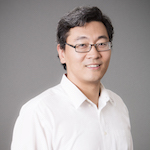
Dr. Cho’s journey and expertise form the cornerstone of this groundbreaking technology. With a 15-year academic tenure teaching internet and valid computing at USC, he brings foundational expertise. Moreover, his dynamic ventures into entrepreneurship reflect a relentless pursuit to solve the problems that intrigue him the most. This fusion of academia and entrepreneurial spirit underpins his commitment to finding innovative solutions.
Looking Ahead: Seeking Expansion and Support
The initial support from the Ershaghi Center on Energy Transition (E CET) has been instrumental in kickstarting this innovation. The center’s seed funding laid the foundation for the prototype, facilitating collaboration with industry partners. Presently, the immediate focus involves:
- Collaboration: With the city of Long Beach to secure permissions for implementing the current prototype within the city grounds
- Tech Improvements: Enhancing the robustness, and efficiency of the IIoT system
- Funding: Seeking additional funding through new research proposals, collaborations, and potential venture capital investment aims to propel and expedite these activities
A Glimpse into the Future
Dr. Cho’s efforts are poised to help the detection and management of methane emissions from orphaned wells. His commitment to this cause signifies a leap toward a more sustainable and safer future for our environment and local communities.
For those wanting to contribute to this work, opportunities for collaboration, research involvement, and support to further advance technology are open.
If you have any inquiries or propositions, please contact Dr. Cho for further information.
ISI 1159
Information Sciences Institute
4676 Admiralty Way
Marina del Rey, CA 90292
E-mail: youngcho@isi.edu